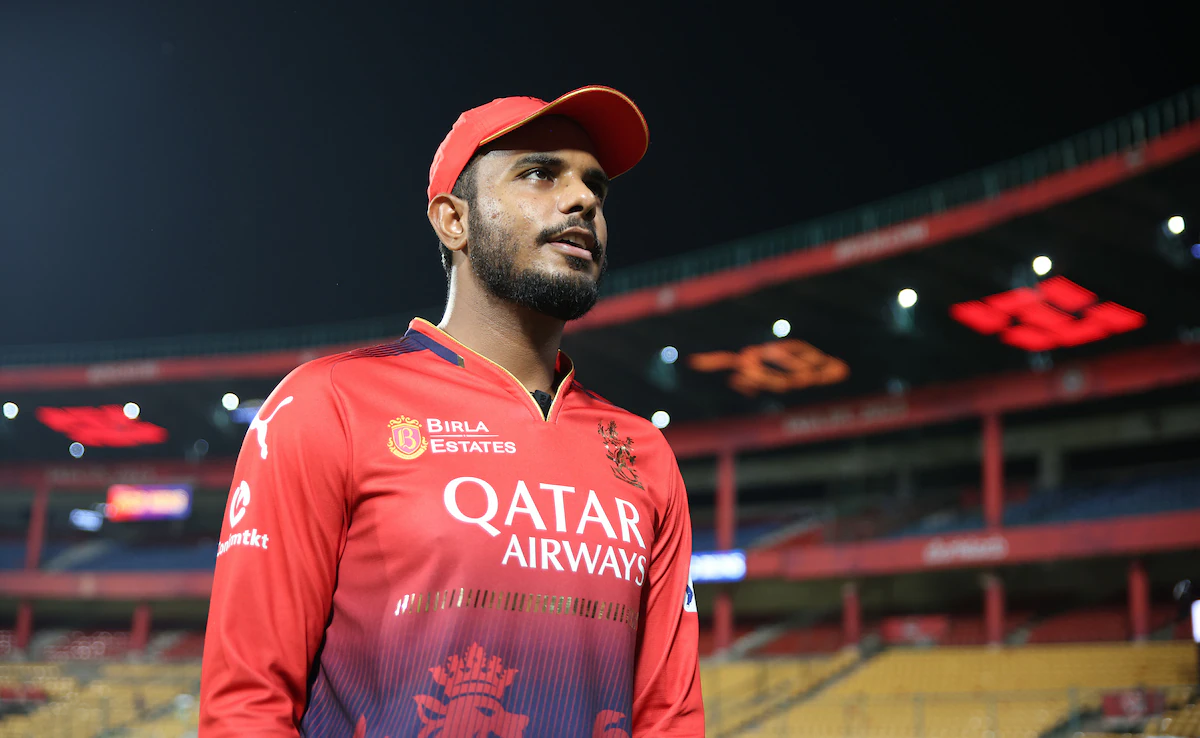
Fast Bowling Injuries IPL 2026: Major Crisis as Hazlewood, Starc & Cummins Miss Out – Is Cricket Schedule Breaking Players?
Meta Description:
Fast bowling injuries IPL 2026 hit teams hard as Hazlewood, Starc, Cummins miss matches. Is congested cricket schedule causing a major crisis?
URL Slug:
fast-bowling-injuries-ipl-2026
Introduction: A Disturbing Pattern Emerging in IPL 2026
Fast bowling injuries IPL 2026 are no longer isolated incidents — they’re becoming a clear pattern that’s raising serious questions about modern cricket.
When multiple elite names like Josh Hazlewood, Mitchell Starc, and Pat Cummins are unavailable at the same time, it signals something deeper than bad luck. RCB’s Mo Bobat didn’t sugarcoat it either — calling it a symptom of a congested cricket schedule.
From a fan’s perspective, this feels frustrating. You wait months for IPL, and suddenly key players are missing. But from a performance and workload management angle, this situation was almost predictable.
In this article, we’ll break down the fast bowlers injuries IPL 2026 crisis, what’s causing it, how it impacts teams like RCB, and what the future of cricket might look like if nothing changes.
Fast Bowlers Injuries IPL 2026: Key Players Missing and Why It Matters
The IPL 2026 player injuries list is not just long — it’s elite-heavy.
- Josh Hazlewood injury IPL 2026 – missing early matches
- Mitchell Starc IPL 2026 availability – delayed entry
- Pat Cummins IPL 2026 news – uncertain start
- Nathan Ellis ruled out IPL 2026 – completely unavailable
This isn’t a coincidence. It reflects a larger workload management failure in cricket.
Fast bowlers operate under extreme physical stress. Every delivery involves explosive force, high-speed rotation, and impact landing. Over time, without proper rest, the body simply breaks down.
What makes IPL 2026 different is timing. These injuries are happening before the tournament even stabilizes, directly impacting team strategies.
RCB Injury Updates IPL 2026: How Big Is the Setback?
For Royal Challengers Bengaluru, this situation is more than just inconvenient — it’s a tactical disruption.
Hazlewood was:
- A powerplay enforcer
- A death-over specialist
- A control bowler under pressure
Without him, RCB injury updates IPL 2026 indicate a shift toward compensating rather than dominating.
From a team balance perspective:
- Backup pacers lack similar experience
- Pressure increases on batting lineup
- Bowling combinations become experimental
However, RCB squad news IPL 2026 still offers hope.
Phil Salt IPL 2026 form remains a strong positive. Despite a lean World Cup, his T20 record speaks loudly:
- 403 runs last IPL
- Strike rate close to 176
- Top-ranked T20 batter globally
Add Virat Kohli’s consistency, and RCB might lean toward aggressive batting strategy to offset bowling concerns.
Congested Cricket Schedule: The Root Cause Behind Injuries
Let’s address the core issue — the cricket packed schedule problem.
Modern players are juggling:
- International tours
- ICC tournaments
- Franchise leagues worldwide
There’s barely any recovery window.
From a fast bowling workload management standpoint:
- Recovery cycles are shrinking
- Travel fatigue is increasing
- Mental burnout is becoming common
Data-backed insight:
Over the past decade, fast bowlers have shown a noticeable increase in:
- Stress fractures
- Muscle tears
- Recurring injuries
This aligns with the rise of year-round cricket.
Mo Bobat’s comment reflects what insiders already know:
There’s no simple solution, because cricket boards, leagues, and broadcasters all demand more matches.
Why Fast Bowlers Are the Hardest Hit
Not every player suffers equally — fast bowlers are uniquely vulnerable.
Biomechanical Stress
Bowling at high speed puts repeated strain on joints and spine.
High Repetition Under Pressure
Unlike batters, bowlers can’t “rest” within a game. They must deliver consistently at full intensity.
Format Switching Pressure
Switching between formats disrupts rhythm and workload balance.
Limited Squad Rotation
Teams depend heavily on strike bowlers, reducing rest opportunities.
This is why the injury prevention fast bowlers discussion is gaining urgency across cricket.
Expert Analysis & What This Means Going Forward
Here’s the uncomfortable truth — this is not just an injury phase. It’s a system failure warning.
If the current injuries IPL 2026 model continues:
1. Shorter Peak Careers
Fast bowlers may peak earlier but decline faster due to workload.
2. Performance Drop Before Injury
A critical but ignored point — players often underperform before getting injured. Teams lose performance even before losing players.
3. Rise of Rotation-Based Teams
Teams will prioritize squad depth over star dependency.
4. Shift in Game Dynamics
Batting-heavy strategies may dominate leagues like IPL due to unreliable bowling availability.
Unique Insight (What Others Miss):
This isn’t just about injuries — it’s about declining match quality in high-stakes games when top bowlers are unavailable or not at peak fitness.
Possible solutions:
- Centralized workload tracking across boards
- Mandatory rest periods before leagues
- Better coordination between international and franchise cricket
But realistically, financial incentives make immediate change unlikely.
Phil Salt, Jacob Bethell & RCB’s Batting Strategy Shift
With bowling concerns rising, RCB might adapt smartly.
- Phil Salt IPL 2026 form still backed strongly by management
- Strong chemistry with Kohli
- High strike rate approach fits modern T20
Meanwhile, Jacob Bethell performance T20 World Cup adds depth:
- 280 runs in tournament
- Match-winning 105 in semifinal
This gives RCB flexibility to rotate based on conditions and form.
From a tactical lens:
RCB could shift toward high-scoring matches, reducing dependence on bowling dominance.
Impact on IPL 2026: League-Wide Consequences
This trend is not limited to one franchise.
Across IPL 2026: injuries IPL 2026
- Teams losing overseas fast bowlers
- Increased reliance on uncapped Indian talent
- Unpredictable match outcomes
For fans: injuries IPL 2026
- Excitement increases due to unpredictability
- But star absences reduce emotional connection
This could redefine IPL:
From star-driven league → system-driven competition
FAQs (Featured Snippet Optimized)
Why are fast bowlers getting injured in IPL 2026?
Fast bowlers injuries IPL 2026 are mainly caused by congested cricket schedules, high workload, and limited recovery time between matches.
Is Josh Hazlewood playing IPL 2026?
Josh Hazlewood is expected to miss the early phase due to injury recovery and workload management.
How does workload affect fast bowlers?
Heavy workload leads to fatigue, reduced performance, and higher risk of injuries like stress fractures and muscle strains.
Will IPL 2026 be affected by injuries?
Yes, missing top fast bowlers impacts team balance, bowling quality, and overall match dynamics.
Conclusion: A Critical Moment for Modern Cricket
Fast bowling injuries IPL 2026 are more than just headlines — they’re a warning sign for the future of the sport.
The current cricket calendar is pushing players to their limits, and the cracks are now visible. Teams like RCB are already adapting, but the larger question remains:
Can cricket balance entertainment and player sustainability?
If you’re following IPL closely, watch:
- Player rotations
- Injury replacements
- Performance dips
Because injuries IPL 2026 might not just decide a champion — it could reshape how cricket manages its most valuable assets.